01

Jasper in July

Book Jasper

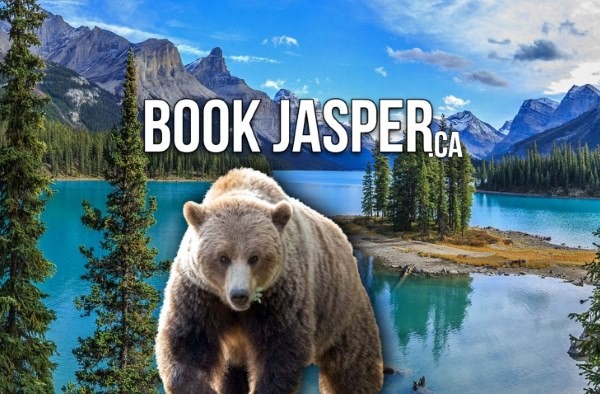
Book Jasper National Park Adventures and Attractions. Jasper National Park, located in the province of Alberta, Canada, is one of the largest and most northerly of the Rocky Mountain national parks, offering a sublime expanse of untamed wilderness for visitors to explore.

Book Jasper National Park Book Jasper
Jasper Wildlife Tour Videos

02

Jasper National Park

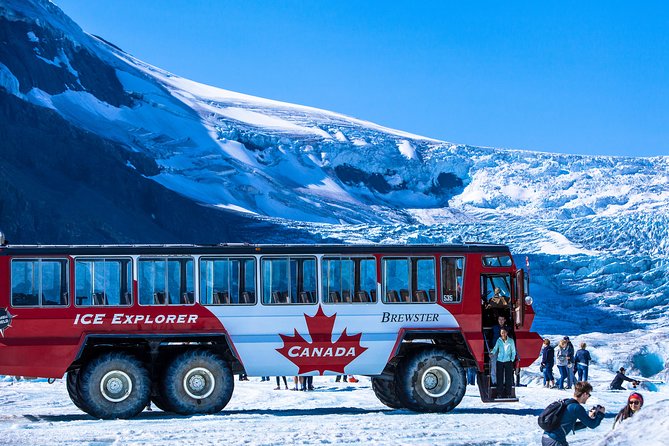
Columbia Icefield Tour & Glacier Skywalk

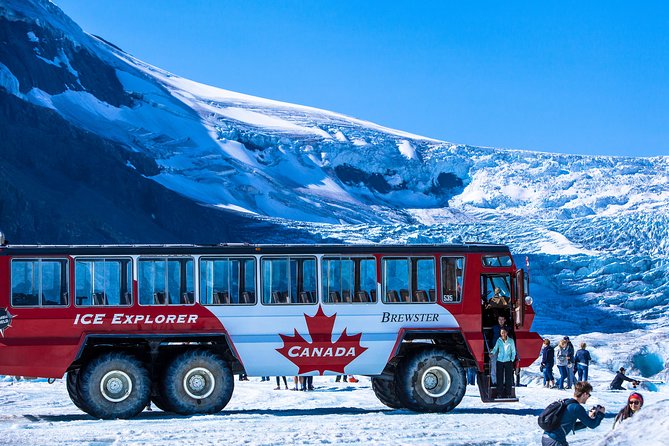
Columbia Icefield Tour including the Glacier Skywalk from Icefield Glacier Discovery Centre. Discover the awe-inspiring mountain scenery and massive glaciers of Alberta's Rocky Mountain region on this Columbia Icefields tour.

Jasper Columbia Icefield Tour & Glacier Skywalk
Book Glacier Skywalk and Athabasca Glacier Tour Jasper Columbia Icefield Home
Jasper Wildlife Tour Videos

03

Jasper in July

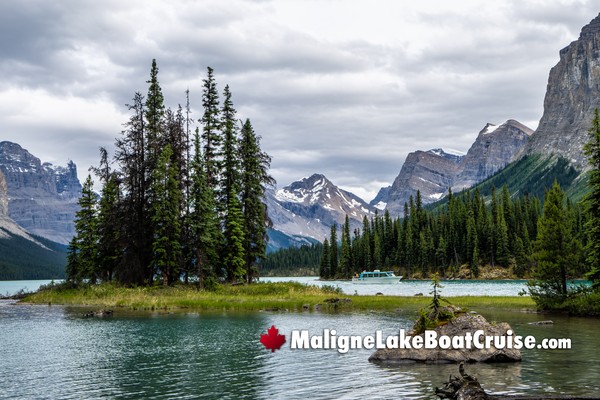
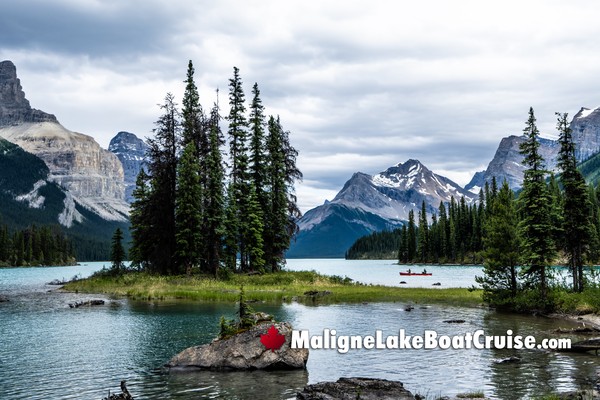
Jasper Maligne Lake Boat Cruise

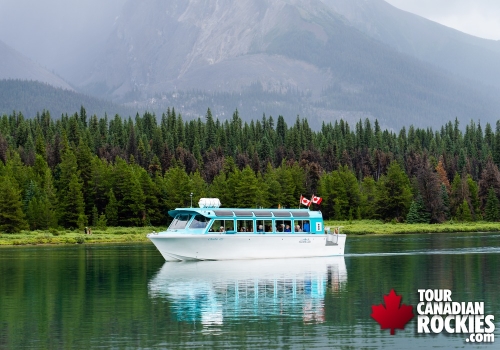
This fully narrated cruise takes you along Maligne Lake, the largest glacially fed lake in the Canadian Rockies, part of the UNESCO-listed Jasper National Park. Keep your camera close while scanning for eagles, bears, goats, and deer that call this area home.

Jasper Maligne Lake Boat Cruise
*Book in Advance as Maligne Boat Cruise Does Sell Out. Book Jasper's Maligne Lake Boat Cruise Maligne Lake Boat Cruise Home
Jasper Wildlife Tour Videos

July in Jasper National Park

July in Jasper National Park is the heart of summer, offering a plethora of outdoor activities and events amidst the stunning natural beauty of the Canadian Rockies. July's warm weather and longer daylight hours provide ample opportunities to explore the park's diverse landscapes.

Canadian Rockies Summer Wildlife Tour - Jasper in July

Learn of the steps taken in Canada's National Parks that ensure wildlife survival in the park, and gain insight into Jasper's rich ecology, history and geology. This is a must for wildlife and nature lovers. Book the Summer Wildlife Tour Jasper Wildlife

Jasper in July

July is peak summer in Jasper, bringing warm daytime temperatures, long daylight hours, and full access to the mountains and lakes throughout Jasper National Park. Most trails are snow-free, alpine meadows are green and often filled with wildflowers, and glacial lakes display their brightest turquoise colors. It is one of the busiest months of the year, but the vast landscape offers many opportunities to explore beyond the most popular locations.

Jasper Hiking & July Alpine Exploration

July provides excellent hiking conditions across the park. Trails range from short valley walks to challenging alpine routes with panoramic mountain views. High-elevation terrain is usually open by mid-summer, allowing access to ridgelines, glacier viewpoints, and scenic alpine basins.
Popular hiking areas include the valley routes near lakes and rivers as well as higher alpine environments where sweeping views stretch across the Rocky Mountains. Early morning hikes offer cooler temperatures and a higher chance of spotting wildlife. Afternoon thunderstorms can occasionally occur, so starting early is recommended for longer hikes.

Jasper's Lakes & July Water Activities

Glacial lakes are one of the highlights of Jasper in July.
Maligne Lake is among the most iconic lakes in the Canadian Rockies. Boat cruises, canoeing, and lakeside walks allow visitors to experience the surrounding mountain scenery and deep blue water.
Closer to town, Pyramid Lake offers calm water and beautiful views of Pyramid Mountain. Kayaking, paddleboarding, and relaxed shoreline walks are popular summer activities.
Despite warm air temperatures, the water in glacial lakes remains extremely cold year-round.

Jasper Scenic Drives During July

Driving through Jasper National Park in July offers some of the most dramatic scenery in the Canadian Rockies. The Icefields Parkway is widely considered one of the most scenic drives in the world, passing glaciers, waterfalls, alpine lakes, and mountain passes.
Road conditions are typically clear in summer, and numerous viewpoints allow travelers to stop for photos and short walks. Wildlife sightings are common early in the morning or near sunset.

Jasper Wildlife Viewing in July

July remains a strong month for wildlife viewing. Elk, deer, mountain goats, and bighorn sheep are frequently seen throughout the park. Bears can occasionally be spotted along valley slopes or near berry patches later in the summer.
The best times to see wildlife are early morning and evening when animals are most active. Visitors should always maintain safe distances and carry bear spray when hiking.

Jasper Rafting & July Adventure Activities

Summer is the main season for river rafting on the Athabasca River. Guided rafting trips provide both scenic float options and more energetic whitewater sections depending on experience level.
Cycling is also popular in July, with paved pathways and scenic park roads providing excellent routes for recreational riders. Horseback riding and guided climbing tours are widely available throughout the region.

Stargazing & Jasper Dark Sky Viewing in July

Jasper is recognized as a Dark Sky Preserve, meaning the park offers exceptional nighttime visibility of stars and planets. Even in July, when nights are shorter, clear skies often reveal impressive views of the Milky Way once darkness settles.
Many lakeshores and mountain viewpoints offer unobstructed skies for observing the stars away from artificial light.

Practical July Considerations

July is a busy travel month, so booking accommodations and tours in advance is recommended.
Afternoon thunderstorms can develop in alpine areas; starting hikes early helps avoid changing weather.
Carry water, sun protection, and bear spray when exploring outdoors.
Wildlife is active during summer, especially in the early morning and evening.
July in Jasper offers the full Rocky Mountain summer experience - open alpine trails, brilliant glacial lakes, abundant wildlife, and long evenings surrounded by the vast wilderness of the Canadian Rockies.

Hike Jasper in July

July is an ideal time for hiking, with numerous trails accessible. Explore trails that lead to alpine meadows, glaciers, waterfalls, and scenic viewpoints.

Jasper Wildlife Viewing During July

Spot various wildlife species, including elk, deer, bighorn sheep, bears, and a variety of bird species. Early mornings and evenings are usually the best times for wildlife sightings.

July's Scenic Drives in Jasper

Drive along the Icefields Parkway and other scenic routes to witness breathtaking mountain vistas, glaciers, turquoise lakes, and diverse ecosystems.

Photography in July

Capture the stunning landscapes, wildlife, and vibrant wildflowers that bloom during July.

Boating and Kayaking in Jasper During July

Enjoy boating, kayaking, or canoeing on the pristine lakes in the park, surrounded by the majestic Rockies.

Cycling Jasper in July

Cycle on designated routes within the park, taking in the beautiful scenery and fresh mountain air.

Fishing Jasper in July

Fishing enthusiasts can enjoy angling in the lakes and rivers within the park.

Jasper Picnicking and Camping During July

Set up a picnic and enjoy a meal in the great outdoors. Camping options range from developed campgrounds to backcountry camping.

Jasper's Miette Hot Springs

Relax and rejuvenate at Miette Hot Springs after a day of outdoor activities in July, soaking in the warm pools.

Jasper Guided Tours in July

Join guided tours, such as interpretive hikes, wildlife tours, or cultural tours, to enhance your experience and knowledge of the park.

July Summer Festivals and Events

Attend summer festivals, concerts, and events that may take place in Jasper during July, offering entertainment and cultural experiences.

Stargazing Jasper's Skies in July

Experience stargazing in the dark skies of Jasper, especially during clear nights, to observe the beauty of the stars and constellations.

Jasper SkyTram in July

Families, couples, photographers, and hikers all find something to enjoy during July. The Jasper SkyTram offers an accessible mountain experience for visitors of nearly every age and ability, making it one of the premier summer attractions in Jasper National Park. Since July is peak tourist season, booking tickets in advance is recommended, especially during weekends and holidays.

Jasper SkyTram in July

Jasper SkyTram in July

July is one of the very best months to experience the Jasper SkyTram. Comfortable mountain temperatures, long daylight hours, colourful alpine wildflowers, and excellent visibility combine to create unforgettable views over Jasper National Park. Whether you're visiting for sightseeing, hiking, photography, or dining, July offers nearly everything the mountain has to offer.

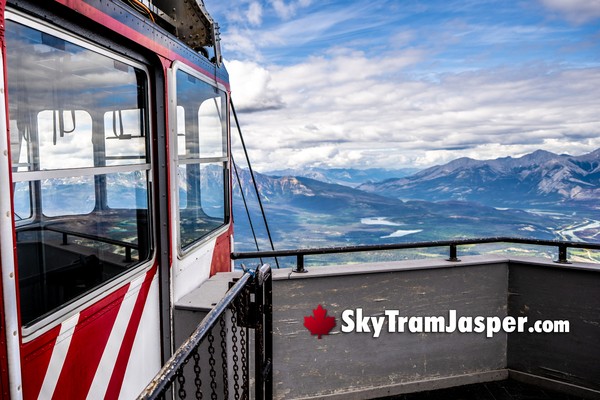
The journey begins with a scenic tram ride that climbs Whistlers Mountain in just a few minutes. As the tram ascends, the landscape quickly transforms from dense evergreen forest to open alpine terrain. Along the way, visitors enjoy spectacular views of Jasper townsite, the Athabasca River, Pyramid Mountain, Mount Edith Cavell, and dozens of surrounding peaks stretching across the horizon.

Upon arriving at the upper station, visitors are greeted by fresh mountain air and panoramic viewpoints overlooking one of Canada's most impressive mountain landscapes. Large viewing platforms and boardwalks provide incredible photo opportunities, while interpretive displays help explain the area's wildlife, geology, and alpine environment.

July is also one of the best times to hike from the upper station. The Whistlers Summit Trail climbs above the tree line through colourful alpine meadows filled with blooming wildflowers. As you gain elevation, the views become even more dramatic, offering nearly 360-degree panoramas across Jasper National Park. The hike is rewarding for adventurous visitors, while those looking for a more relaxed experience can simply enjoy the boardwalks and viewing areas.

Wildlife is frequently seen throughout July. Hoary marmots often bask on warm rocks near the summit, while golden-mantled ground squirrels scamper around the trails. Mountain goats may occasionally appear on nearby cliffs, and birds of prey such as golden eagles can sometimes be seen soaring high above the valleys.

The Summit Cafe is a favourite stop during the summer season, offering meals, light snacks, desserts, coffee, and refreshing beverages while surrounded by breathtaking mountain scenery. Indoor seating provides expansive windows overlooking the mountains, while outdoor seating allows visitors to relax in the crisp alpine air.

Photography is outstanding throughout July. Early mornings often provide calm conditions and crystal-clear mountain views, while late afternoon sunlight adds depth and warmth to the surrounding peaks and valleys. The extended daylight hours also allow visitors plenty of time to explore without feeling rushed.

Families, couples, photographers, and hikers all find something to enjoy during July. The Jasper SkyTram offers an accessible mountain experience for visitors of nearly every age and ability, making it one of the premier summer attractions in Jasper National Park. Since July is peak tourist season, booking tickets in advance is recommended, especially during weekends and holidays. Jasper SkyTram

Jasper Maligne Lake Boat Cruise During July

For many visitors, the Maligne Lake Boat Cruise is the signature experience of Jasper National Park. The combination of spectacular mountain scenery, informative storytelling, tranquil cruising, and the unforgettable visit to Spirit Island creates an experience that remains one of the highlights of any summer trip through the Canadian Rockies.

Jasper Maligne Lake Boat Cruise During July

Jasper Maligne Lake Boat Cruise During July

July is the peak season for the Maligne Lake Boat Cruise and one of the most memorable experiences in Jasper National Park. Surrounded by towering mountain peaks, glacier-fed turquoise waters, and dense evergreen forests, the cruise offers visitors the opportunity to explore one of the most beautiful lakes in the Canadian Rockies while visiting the world-famous Spirit Island.

The adventure begins at the Maligne Lake boat dock, where visitors board comfortable sightseeing vessels designed with large viewing windows and spacious outdoor viewing areas. As the boat departs the shoreline, the lake quickly opens into breathtaking scenery, with rugged mountain peaks rising thousands of feet above the crystal-clear water. Throughout the journey, experienced guides provide fascinating commentary about the lake's history, glaciers, wildlife, geology, Indigenous heritage, and the early explorers who first travelled through the region.

July is one of the most spectacular months to experience the cruise. The lake reaches its brilliant turquoise colour, alpine meadows are alive with wildflowers, and the surrounding forests are lush and vibrant. Warm summer temperatures and long daylight hours create ideal conditions for sightseeing and photography, while calm mornings often produce beautiful reflections of the mountains across the water.

As the cruise travels deeper into Maligne Lake, visitors pass secluded islands, steep mountain slopes, and dramatic shorelines that are inaccessible by road. The scenery becomes increasingly impressive as the boat approaches Spirit Island, one of the most photographed natural landmarks in Canada.

Upon arrival, guests disembark for a short walk along a well-maintained pathway leading to the famous viewing platform. Although the visit is brief, it provides plenty of time to admire the remarkable landscape, capture photographs, and appreciate the peaceful surroundings. The combination of the tiny forested island, emerald-blue water, and towering peaks of the Hall of the Gods creates one of the most iconic views in the Canadian Rockies.

Wildlife is often spotted during July, both along the drive to Maligne Lake and occasionally from the boat itself. Bald eagles, osprey, loons, ducks, and other water birds are commonly seen, while deer, elk, bears, mountain goats, and bighorn sheep may occasionally be observed along the shoreline or surrounding mountains.

The return cruise offers a different perspective of the landscape, with changing light creating new colours across the mountains and lake. Many visitors find themselves noticing details they missed during the journey to Spirit Island, making the return trip just as enjoyable.

July is also the busiest month of the season, with many departures selling out well in advance. Morning cruises often feature calmer water and softer lighting for photography, while afternoon departures showcase the vivid turquoise colour of the lake under bright summer sunshine.

For many visitors, the Maligne Lake Boat Cruise is the signature experience of Jasper National Park. The combination of spectacular mountain scenery, informative storytelling, tranquil cruising, and the unforgettable visit to Spirit Island creates an experience that remains one of the highlights of any summer trip through the Canadian Rockies. Maligne Lake Boat Cruise

Jasper Columbia Icefields in July

A visit to the Columbia Icefield in July is often considered one of the highlights of driving the Icefields Parkway. Whether walking on the Athabasca Glacier, standing above the Sunwapta Valley on the Skywalk, or simply admiring the immense icefields from the visitor centre, the experience offers an unforgettable glimpse into one of Canada's most extraordinary mountain landscapes.

Jasper Columbia Icefields in July

Jasper Columbia Icefields in July

July is the busiest and most popular month to visit the Columbia Icefield. Warm summer temperatures, long daylight hours, and fully operational attractions make it an ideal time to experience one of the largest accumulations of ice south of the Arctic Circle. Visitors from around the world come to explore the Athabasca Glacier, admire sweeping mountain scenery, and discover the unique history of this remarkable landscape.

The Columbia Icefield Adventure is the main attraction during July. Visitors board specially designed Ice Explorer vehicles that travel down a steep glacial moraine before driving directly onto the surface of the Athabasca Glacier. Standing on ancient ice that has formed over hundreds of years is an unforgettable experience, and guests have the opportunity to walk on the glacier while learning about its formation, movement, and ongoing changes.

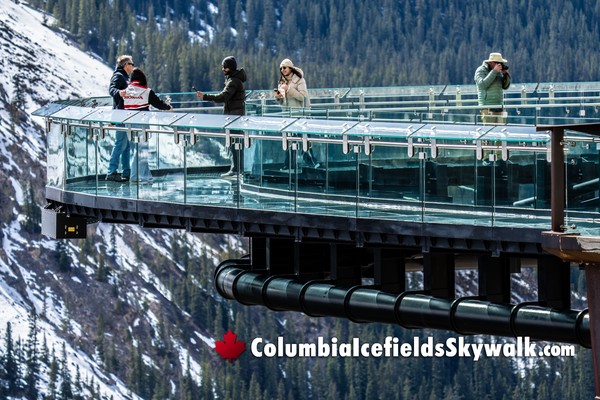
The Columbia Icefield Skywalk is also fully open throughout July. This dramatic glass-floored observation platform extends high above the Sunwapta Valley, offering breathtaking views of rugged cliffs, waterfalls, glaciers, and surrounding mountain ranges. Interpretive displays along the walkway explain the geology, wildlife, ecosystems, and natural history of the region, making the experience both scenic and educational.

July offers excellent visibility for sightseeing. Snow-covered peaks remain visible throughout the summer, while lower elevations are alive with green forests, alpine meadows, and colourful wildflowers. The contrast between bright white glaciers, turquoise lakes, rocky mountain ridges, and lush valleys creates some of the most spectacular scenery anywhere in the Canadian Rockies.

The Columbia Icefield Centre serves as the gateway to the experience. Visitors can browse the gift shop, explore interpretive exhibits, enjoy meals overlooking the glacier, or simply relax while taking in panoramic views through the large windows. Outdoor viewing decks also provide excellent opportunities to photograph the Athabasca Glacier before or after the adventure.

Wildlife is frequently seen during July along the Icefields Parkway leading to the Columbia Icefield. Mountain goats are commonly spotted on rocky slopes, while bighorn sheep, marmots, black bears, grizzly bears, elk, and occasionally caribou may also be seen in the surrounding valleys. Early morning and evening are often the best times for wildlife viewing.

July provides comfortable conditions for exploring the area around the Columbia Icefield. Short walking trails near the visitor centre offer closer views of the glacier and surrounding peaks, while interpretive signs explain how the icefield feeds major river systems flowing to the Atlantic, Pacific, and Arctic Oceans.

Photography is exceptional throughout July. Morning light often provides calm conditions and crisp mountain views, while late afternoon brings dramatic shadows across the glaciers and rugged peaks. The combination of ancient ice, towering mountains, and expansive alpine landscapes makes every viewpoint feel postcard-worthy.

Because July is the peak tourism season, the Columbia Icefield is one of the busiest destinations in Jasper National Park. Parking areas, attractions, and restaurants can become crowded during the middle of the day. Arriving early in the morning or later in the afternoon often provides a more relaxed experience and allows visitors to enjoy the scenery with fewer crowds.

A visit to the Columbia Icefield in July is often considered one of the highlights of driving the Icefields Parkway. Whether walking on the Athabasca Glacier, standing above the Sunwapta Valley on the Skywalk, or simply admiring the immense icefields from the visitor centre, the experience offers an unforgettable glimpse into one of Canada's most extraordinary mountain landscapes. Jasper Columbia Icefields

Jasper Columbia Icefields Glacier Skywalk During July

The Columbia Icefield Glacier Skywalk during July is an accessible and visually dramatic experience that combines mountain scenery with interpretive learning and a memorable walk above the valley. It works especially well as part of a full Columbia Icefield visit, combined with the Ice Explorer glacier experience, dining at the Icefield Centre, and sightseeing along the Icefields Parkway.

Jasper Columbia Icefields Glacier Skywalk During July

Jasper Columbia Icefields Glacier Skywalk During July

July is one of the best months to experience the Columbia Icefield Glacier Skywalk. Long daylight hours, comparatively mild mountain weather, flowing waterfalls, snow-covered peaks, and fully accessible walkways create a dramatic summer experience high above the Sunwapta Valley.

The experience begins at the Columbia Icefield Centre rather than directly at the Skywalk. Visitors check in at the centre and travel by shuttle bus to the attraction. Because there is no general visitor parking at the Skywalk itself, guests should allow enough time for check-in, boarding, transportation, and the return journey.

After arriving, visitors follow a wide cliffside walkway lined with interpretive displays. These exhibits introduce the geology, wildlife, glaciers, water systems, and environmental forces that shaped the surrounding landscape. The approach gradually reveals deeper views into the valley before reaching the glass observation platform.

The main attraction is the curved glass-floored platform extending over the edge of the mountain. Looking through the transparent panels reveals the rocky terrain and valley far below, creating an exciting sensation of standing above open space. Visitors who feel uncertain about heights can remain on the solid sections while still enjoying excellent mountain views.

July brings strong glacier-fed water flow to the surrounding waterfalls and streams. Meltwater moves through the valley below, while patches of winter snow remain across the higher ridges. The combination of exposed rock, green vegetation, flowing water, distant ice, and bright summer skies makes the landscape especially impressive.

The Skywalk offers expansive views across the Sunwapta Valley and surrounding peaks, but it does not directly overlook the Athabasca Glacier in the same way as the Columbia Icefield Centre. Its focus is the valley’s geology, cliffs, waterfalls, mountain ecosystems, and the immense scale of the Canadian Rockies.

Weather can change quickly, even during July. Conditions may shift from warm sunshine to cool wind, rain, or brief mountain storms within a short period. A light jacket, secure footwear, sunscreen, sunglasses, and rain protection can make the visit more comfortable. Hats and loose belongings should be secured when winds increase.

July is peak season, so the attraction can become busy during late morning and early afternoon. Earlier or later departures may feel calmer and can provide softer light for photography. Advance reservations are generally helpful because popular departure times may fill quickly.

Photography opportunities include the curved glass platform, the steep cliffs beneath the walkway, waterfalls in the valley, and the layered mountain ranges extending into the distance. Visitors should also take time to look away from the main platform, as some of the best landscape views appear along the interpretive walkway.

The Columbia Icefield Glacier Skywalk during July is an accessible and visually dramatic experience that combines mountain scenery with interpretive learning and a memorable walk above the valley. It works especially well as part of a full Columbia Icefield visit, combined with the Ice Explorer glacier experience, dining at the Icefield Centre, and sightseeing along the Icefields Parkway. Columbia Icefields Glacier Skywalk

Athabasca Falls in Jasper National Park in July

The falls are easily combined with other attractions along the Icefields Parkway, including Sunwapta Falls, the Columbia Icefield, Mount Edith Cavell, and scenic pullouts south of Jasper. For many visitors, Athabasca Falls is one of the most rewarding short stops in the park because it offers dramatic scenery without requiring a long hike.

Athabasca Falls in Jasper National Park in July

Athabasca Falls in Jasper National Park in July

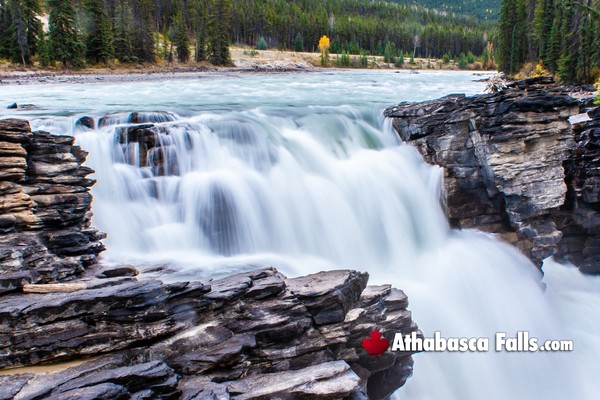
Athabasca Falls in July is powerful, loud, and surrounded by vibrant summer scenery. Meltwater from the Columbia Icefield and seasonal snowmelt feeds the Athabasca River, creating a strong flow through the narrow gorge. The falls may not be exceptionally tall, but the volume and force of the water make them one of the most impressive natural attractions in Jasper National Park.

The main viewing area is reached by a short walk from the parking lot. Several paved and developed viewpoints overlook the waterfall from different angles, including views of the river rushing over the rocky ledge and plunging into the canyon below. Additional pathways lead toward carved rock channels, potholes, and former river passages shaped by centuries of erosion.

July brings green forests, warmer temperatures, and long daylight hours, making it an excellent month for exploring the entire site. The surrounding landscape often includes bright blue water, pale limestone, dark evergreen trees, and distant mountain ridges. Morning and evening light can be especially attractive for photography, while midday usually brings the largest crowds.

The pathways are suitable for most visitors, although some sections include stairs, uneven surfaces, and narrow viewing areas. Families can enjoy the site, but children should remain close to adults because the water is extremely fast and the canyon edges are dangerous. Visitors should remain behind barriers and never climb onto rocks near the river.

Mist from the falls can make some surfaces damp or slippery, even on warm days. Comfortable footwear with good traction is useful, and a light jacket may be helpful when standing close to the spray. July weather can also change quickly, so carrying basic rain protection is a sensible precaution.

Athabasca Falls can become very busy during summer, especially from late morning through the afternoon. Visiting earlier in the day or later in the evening usually provides a quieter experience and more space at the viewpoints. The stop can be fairly quick, but allowing extra time makes it possible to explore the lower pathways and quieter sections beyond the main waterfall.

The falls are easily combined with other attractions along the Icefields Parkway, including Sunwapta Falls, the Columbia Icefield, Mount Edith Cavell, and scenic pullouts south of Jasper. For many visitors, Athabasca Falls is one of the most rewarding short stops in the park because it offers dramatic scenery without requiring a long hike. Athabasca Falls

Jasper's Spirit Island During July

A visit to Spirit Island in July is often considered the highlight of a trip to Jasper National Park. The combination of the scenic boat journey, crystal-clear turquoise water, towering mountain peaks, and the timeless beauty of Canada's most famous island creates an unforgettable Rocky Mountain experience.

Jasper's Spirit Island During July

Jasper's Spirit Island During July

July is one of the most spectacular times to visit Spirit Island. Surrounded by the brilliant turquoise waters of Maligne Lake and framed by the towering peaks of the Hall of the Gods, the iconic island is at its most vibrant during the height of summer. Warm temperatures, lush forests, long daylight hours, and calm mornings combine to create one of the most photographed landscapes in the Canadian Rockies.

Most visitors reach Spirit Island aboard the Maligne Lake Boat Cruise, which travels through the heart of the lake while passing forested shorelines, secluded islands, and dramatic mountain scenery. Along the journey, knowledgeable guides share stories about the area's natural history, glaciers, wildlife, Indigenous heritage, and the explorers who helped introduce the lake to the world.

Upon arriving at Spirit Island, visitors follow a short, well-maintained pathway through the forest to the famous viewing platform. The walk is easy and takes only a few minutes, gradually revealing breathtaking views of the island as it appears between the trees before opening to the full panorama.

July showcases Spirit Island at its finest. The glacier-fed water glows with vibrant shades of turquoise and emerald, while evergreen forests contrast beautifully with the rugged grey peaks rising in every direction. Snow often remains on the highest mountain summits, adding another layer of beauty to the already spectacular landscape.

The Hall of the Gods forms the dramatic backdrop behind Spirit Island, with its jagged peaks reflected in the calm waters during peaceful mornings. When conditions are still, the reflections can be nearly perfect, making early departures especially popular with photographers.

Wildlife is occasionally spotted throughout the area during July. Bald eagles and ospreys may soar overhead, while loons, ducks, and other water birds are frequently seen on the lake. Along the drive to Maligne Lake, visitors may also encounter elk, deer, bears, mountain goats, or bighorn sheep.

Photography opportunities are exceptional throughout July. The long daylight hours allow visitors to capture the island under a variety of lighting conditions, while the vivid colours of the lake and surrounding mountains create unforgettable images from nearly every angle along the viewing platform.

Although Spirit Island appears peaceful and secluded, it is one of Jasper National Park's most popular destinations during July. Boat cruises often sell out well in advance, and the viewing platform welcomes visitors from around the world throughout the day. Even with the summer crowds, the quiet beauty of the setting and the remarkable mountain scenery leave a lasting impression.

A visit to Spirit Island in July is often considered the highlight of a trip to Jasper National Park. The combination of the scenic boat journey, crystal-clear turquoise water, towering mountain peaks, and the timeless beauty of Canada's most famous island creates an unforgettable Rocky Mountain experience. Spirit Island

Sunwapta Falls in Jasper National Park in July

Whether you spend just a few minutes at the main viewpoint or take time to explore the surrounding trails, Sunwapta Falls in July showcases the raw power of glacier-fed rivers and the spectacular beauty of Jasper National Park. It remains one of the must-see stops along the Icefields Parkway and pairs perfectly with nearby attractions such as Athabasca Falls and the Columbia Icefield.

Sunwapta Falls in Jasper National Park in July

Sunwapta Falls in Jasper National Park in July

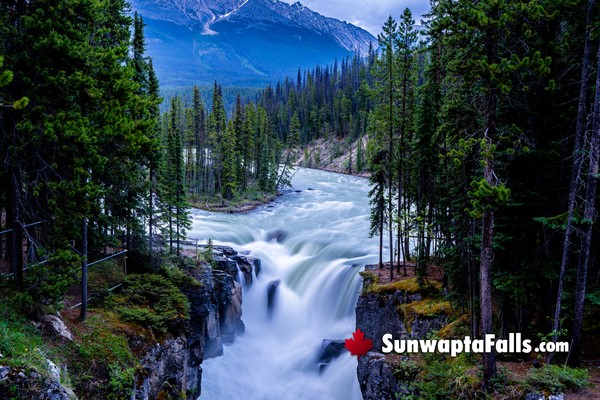
July is one of the finest times to visit Sunwapta Falls in Jasper National Park. Fed by meltwater from the Columbia Icefield, the Sunwapta River reaches impressive summer flow, creating a powerful waterfall that crashes through a narrow limestone gorge. Surrounded by lush evergreen forests and rugged mountain scenery, the falls are at their most dramatic during the height of the summer season.

The main waterfall is just a short walk from the parking area, making it one of the most accessible natural attractions along the Icefields Parkway. A sturdy footbridge spans the canyon, providing spectacular views of the water as it plunges approximately 18 metres (60 feet) into the rocky gorge below. From the bridge, visitors can appreciate both the immense force of the river and the beautifully sculpted canyon walls carved by thousands of years of erosion.

The glacier-fed water is typically a striking blue-green colour in July. As sunlight reflects off the rushing water, mist rises from the base of the falls, adding to the refreshing mountain atmosphere. The combination of vibrant water, dark evergreen forests, and distant snow-capped peaks creates outstanding scenery throughout the area.

Beyond the upper falls, a pleasant walking trail follows the river downstream toward the quieter Lower Sunwapta Falls. This scenic path winds through mature forest alongside the rushing river and offers a more peaceful experience away from the main viewpoints. Many visitors enjoy exploring both sections of the falls to experience the changing character of the river.

July weather is generally comfortable for sightseeing, with warm daytime temperatures and long hours of daylight. Even so, the area near the waterfall can feel noticeably cooler because of the spray and mountain breezes. Comfortable walking shoes and a light jacket are often useful, particularly during the morning or evening.

Wildlife is commonly seen along the Icefields Parkway during July. Visitors may encounter elk, black bears, grizzly bears, mountain goats, bighorn sheep, deer, and numerous bird species while travelling to and from the falls. Early morning and evening are often the best times for wildlife viewing.

Photography opportunities are excellent throughout July. Morning light often produces softer colours and fewer visitors, while afternoon sunshine highlights the vivid turquoise water and surrounding forest. The bridge provides one of the most iconic viewpoints, but additional trails offer unique perspectives of the rushing river and canyon.

Sunwapta Falls is a popular stop during the busy summer season, especially in the middle of the day. Visiting earlier in the morning or later in the afternoon usually provides a more relaxed experience and allows visitors to enjoy the scenery with fewer crowds.

Whether you spend just a few minutes at the main viewpoint or take time to explore the surrounding trails, Sunwapta Falls in July showcases the raw power of glacier-fed rivers and the spectacular beauty of Jasper National Park. It remains one of the must-see stops along the Icefields Parkway and pairs perfectly with nearby attractions such as Athabasca Falls and the Columbia Icefield. Sunwapta Falls

Camping in Jasper During July

One of the greatest pleasures of camping in Jasper during July is simply spending time outdoors. Waking to crisp mountain air, enjoying breakfast surrounded by towering forests, listening to birdsong, and ending the day beneath a sky filled with stars creates an experience that hotels simply cannot match. Whether you're travelling with family, friends, or exploring on your own, camping allows you to fully immerse yourself in the beauty, peace, and adventure of Jasper National Park during its most vibrant season.

Camping in Jasper During July

Camping in Jasper During July

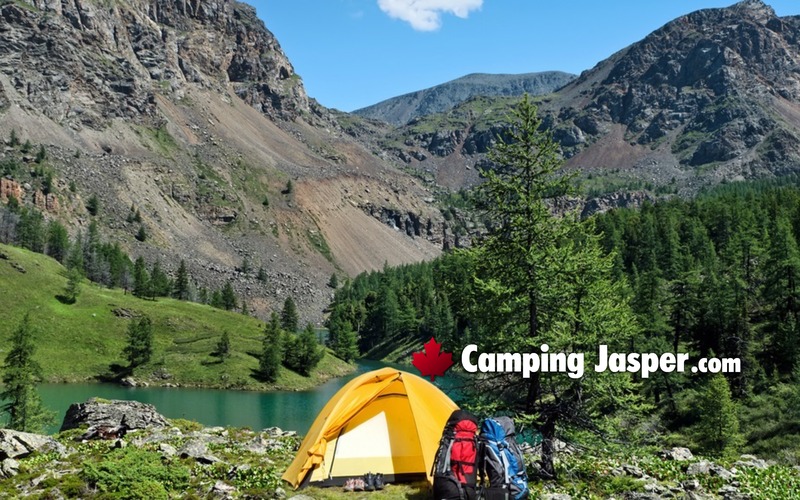
July is the peak camping season in Jasper National Park, offering warm summer weather, long daylight hours, and access to some of the most spectacular mountain landscapes in the Canadian Rockies. Campgrounds are surrounded by towering peaks, turquoise rivers, alpine forests, and abundant wildlife, making camping one of the best ways to experience the park's natural beauty.

Most campgrounds are fully open during July and provide a variety of options, from fully serviced sites for recreational vehicles to quiet tent-only areas nestled among the trees. Many campgrounds offer modern amenities such as washrooms, drinking water, picnic tables, fire pits where permitted, food storage, and convenient access to hiking trails, lakes, and scenic drives.

July's extended daylight gives campers plenty of time to explore before returning to camp. Popular daytime activities include hiking mountain trails, visiting waterfalls, canoeing on glacier-fed lakes, wildlife viewing, cycling, fishing, photography, and driving the world-famous Icefields Parkway. Evenings are perfect for relaxing around the campsite, enjoying dinner outdoors, and watching the mountains glow in the fading light.

Although daytime temperatures are usually pleasant, mountain evenings can become surprisingly cool. Campers should bring warm clothing, quality sleeping bags, and layers for changing conditions. Afternoon showers or brief thunderstorms are also possible during July, so waterproof gear is recommended.

Wildlife is one of the highlights of camping in Jasper. Elk are commonly seen around many campgrounds, while deer, bighorn sheep, mountain goats, black bears, grizzly bears, and numerous bird species inhabit the surrounding forests and valleys. Campers should always store food, coolers, cooking equipment, and scented items properly to help protect both wildlife and visitors. Keeping campsites clean and following wildlife safety practices is an important part of camping in the park.

July is also one of the busiest months of the year, and campgrounds are often fully booked well in advance. Planning ahead and securing reservations early greatly improves the chances of staying in your preferred campground, especially on weekends and holidays.

Camping provides an excellent base for exploring Jasper's most famous attractions. Many visitors combine their stay with trips to Maligne Lake and Spirit Island, Athabasca Falls, Sunwapta Falls, the Columbia Icefield, Pyramid Lake, Medicine Lake, Mount Edith Cavell, and the scenic viewpoints along the Icefields Parkway. Early mornings and evenings are often the best times to enjoy these locations with softer light and increased wildlife activity.

One of the greatest pleasures of camping in Jasper during July is simply spending time outdoors. Waking to crisp mountain air, enjoying breakfast surrounded by towering forests, listening to birdsong, and ending the day beneath a sky filled with stars creates an experience that hotels simply cannot match. Whether you're travelling with family, friends, or exploring on your own, camping allows you to fully immerse yourself in the beauty, peace, and adventure of Jasper National Park during its most vibrant season. Jasper Camping

Hiking Jasper in July

Whether you're looking for a relaxing lakeside walk, a scenic waterfall trail, or a full-day alpine adventure, hiking in Jasper during July showcases the park at its very best. Every trail offers a unique perspective on the Canadian Rockies, with unforgettable views of towering mountains, pristine forests, glacier-fed rivers, and some of the most beautiful wilderness landscapes in North America.

Hiking Jasper in July

Hiking Jasper in July

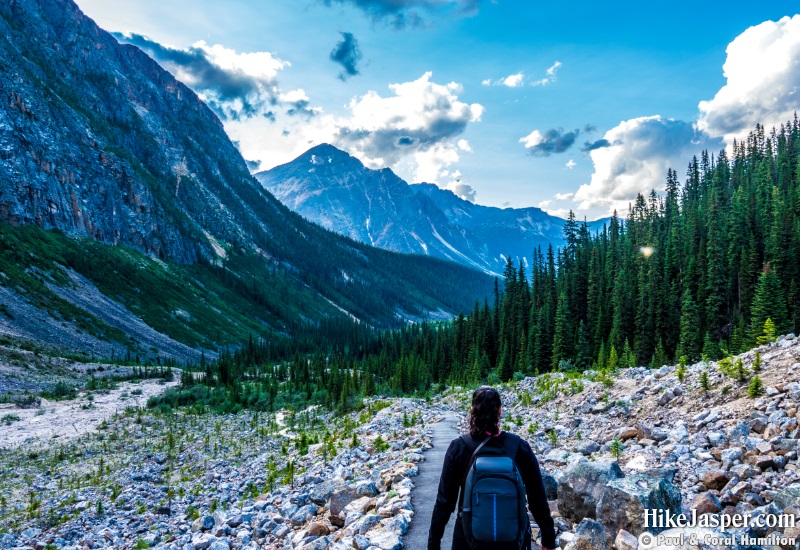
July is one of the best months of the year for hiking in Jasper National Park. Warm temperatures, long daylight hours, open trails, and spectacular alpine scenery make it the height of the hiking season. Most lower and mid-elevation trails are completely snow-free, while many high alpine routes also become accessible as lingering snow continues to melt.

Jasper offers an incredible variety of hiking experiences for every ability level. Easy walks lead to waterfalls, lakes, rivers, and scenic viewpoints, while moderate trails climb through forests to alpine meadows filled with wildflowers. More challenging hikes reward experienced hikers with panoramic views of glaciers, turquoise lakes, rugged mountain peaks, and expansive valleys stretching across the Canadian Rockies.

July is one of the best months to see the park's wildflowers. Alpine meadows begin to bloom with colourful mountain flowers, adding vibrant reds, purples, yellows, and whites to the already stunning scenery. Combined with snow-covered peaks in the distance and crystal-clear glacier-fed lakes below, the landscapes are at their most photogenic.

Many of Jasper's most popular hiking destinations are fully accessible during July. Trails around Maligne Lake, Edith Cavell, Pyramid Lake, Valley of the Five Lakes, Old Fort Point, Athabasca Falls, Sunwapta Falls, and numerous routes along the Icefields Parkway are enjoyed by thousands of visitors throughout the summer. Higher elevation hikes often provide breathtaking views over glaciers, alpine ridges, and mountain ranges that seem to stretch endlessly into the distance.

Wildlife is frequently encountered on Jasper's trails during July. Elk, deer, bighorn sheep, mountain goats, marmots, pikas, black bears, grizzly bears, and a wide variety of birds are all active during the summer months. Hikers should remain alert, keep a respectful distance from wildlife, travel in groups whenever possible, carry bear spray, and follow all posted trail advisories and seasonal closures.

Weather in the mountains can change quickly, even on sunny July days. Mornings are often cool and calm, while afternoons may bring clouds, rain showers, or thunderstorms. Dressing in layers, carrying rain gear, plenty of water, snacks, sunscreen, and sturdy hiking footwear helps ensure a comfortable and safe day on the trail.

July is also the busiest hiking month in Jasper National Park. Popular trailheads can fill early in the morning, especially near major attractions. Starting hikes early not only improves parking availability but also provides cooler temperatures, quieter trails, softer lighting for photography, and increased opportunities to see wildlife.

Whether you're looking for a relaxing lakeside walk, a scenic waterfall trail, or a full-day alpine adventure, hiking in Jasper during July showcases the park at its very best. Every trail offers a unique perspective on the Canadian Rockies, with unforgettable views of towering mountains, pristine forests, glacier-fed rivers, and some of the most beautiful wilderness landscapes in North America. Hike Jasper

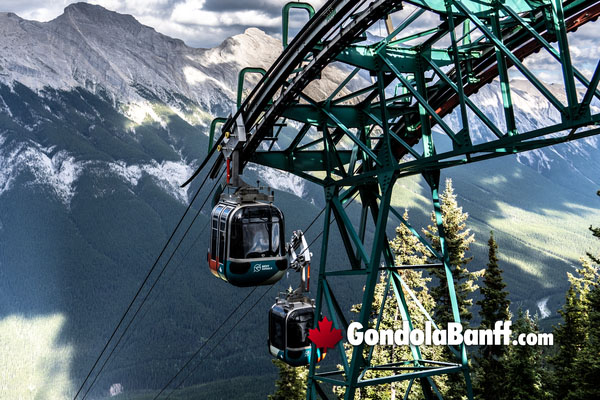
Banff Gondola During July

A visit to the Banff Gondola in July combines breathtaking scenery, fascinating interpretive experiences, outstanding dining, and unforgettable mountain views into one complete alpine adventure. Whether you're exploring the summit boardwalk, enjoying a meal above the clouds, or simply taking in the panoramic vistas from the observation decks, it is one of the premier experiences in Banff National Park and a highlight of any summer visit to the Canadian Rockies.

Banff Gondola During July

Banff Gondola During July

July is one of the most exciting times to experience the Banff Gondola. Warm mountain temperatures, vibrant alpine scenery, and long daylight hours make it one of the busiest and most rewarding months to visit Sulphur Mountain. As the gondola climbs above the forest, spectacular views unfold over the Bow Valley, the Town of Banff, the Bow River, and the surrounding mountain ranges.

The eight-minute ride carries visitors from the lower terminal to the summit of Sulphur Mountain in modern enclosed cabins with large panoramic windows. Throughout the ascent, breathtaking views of Cascade Mountain, Mount Rundle, Tunnel Mountain, and countless distant peaks become more dramatic with every passing tower.

At the summit, visitors can spend hours exploring the mountaintop complex. Expansive observation decks provide sweeping 360-degree views across Banff National Park, while multiple outdoor terraces offer excellent places to relax, take photographs, and enjoy the fresh alpine air. Interactive exhibits throughout the interpretive centre explain the area's geology, wildlife, Indigenous connections, and the natural history of the Canadian Rockies.

One of the highlights of a July visit is the scenic boardwalk leading to Sanson's Peak and the historic Cosmic Ray Station. This elevated walkway winds along the mountain ridge, offering constantly changing views of surrounding valleys and mountain ranges. Along the route, visitors can stop at numerous viewing platforms to admire the landscape and capture unforgettable photographs.

Dining is another memorable part of the Banff Gondola experience. Guests can enjoy locally inspired meals while overlooking the mountains, relax with coffee and fresh pastries, or simply take in the incredible scenery from the various indoor and outdoor seating areas. Large windows throughout the summit building ensure spectacular views remain part of the experience even while dining.

July's long daylight hours make it possible to enjoy the attraction from morning until evening. Early mornings often provide calmer conditions and excellent visibility, while evenings offer beautiful golden light as the sun begins to set behind the surrounding peaks. The changing colours across the mountains create a spectacular atmosphere that many visitors consider one of the highlights of their trip.

Wildlife can occasionally be spotted from the gondola or summit boardwalk during July. Mule deer, elk, bighorn sheep, hoary marmots, Clark's nutcrackers, and soaring birds of prey are sometimes seen around Sulphur Mountain. While wildlife sightings are never guaranteed, the elevated viewpoints offer unique opportunities to observe the surrounding landscape.

July is also the busiest month of the summer season, so advance ticket reservations are highly recommended. Visiting earlier in the morning or later in the afternoon often provides a more relaxed experience, with shorter queues and excellent lighting for photography.

A visit to the Banff Gondola in July combines breathtaking scenery, fascinating interpretive experiences, outstanding dining, and unforgettable mountain views into one complete alpine adventure. Whether you're exploring the summit boardwalk, enjoying a meal above the clouds, or simply taking in the panoramic vistas from the observation decks, it is one of the premier experiences in Banff National Park and a highlight of any summer visit to the Canadian Rockies. Banff Gondola

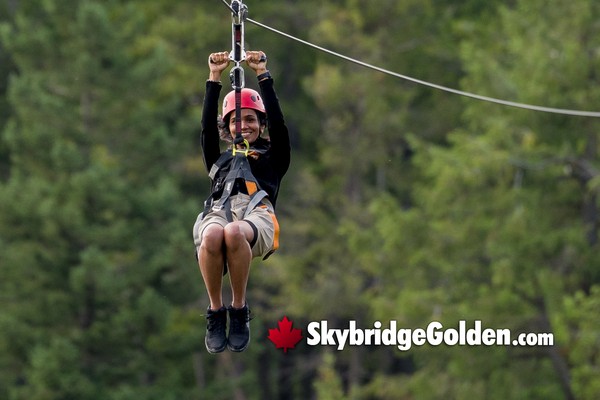
Golden Skybridge in July

A visit to the Golden Skybridge in July offers far more than a walk across two spectacular suspension bridges. It combines breathtaking mountain scenery, exciting adventure attractions, family-friendly activities, and unforgettable views into a full day of outdoor exploration, making it one of the standout summer experiences in British Columbia's Rocky Mountain region.

Golden Skybridge in July

Golden Skybridge in July

July is one of the best times of the year to experience the Golden Skybridge. Surrounded by the forests and mountains of the Columbia Valley, the attraction comes alive during the height of summer with warm weather, long daylight hours, and every major activity operating at full capacity. It is an ideal destination for families, couples, and adventure seekers looking to combine breathtaking scenery with outdoor excitement.

The centrepiece of the experience is Canada's highest suspension bridges, which stretch high above a dramatic canyon carved by the rushing Kicking Horse River. Walking across the bridges provides spectacular views of waterfalls, rugged cliffs, dense evergreen forests, and towering mountain peaks in every direction. The gentle movement of the bridges adds an extra sense of adventure while remaining accessible for visitors of all ages.

July offers clear mountain views and lush green landscapes throughout the property. Wildflowers bloom along many of the walking paths, and the waterfalls flowing beneath the bridges are energized by mountain snowmelt, creating a dramatic backdrop for sightseeing and photography. Every turn reveals a new perspective of the surrounding Columbia Valley.

Beyond the bridges, July is the perfect time to enjoy the park's many outdoor attractions. Visitors can ride the Railrider Mountain Coaster through the forest, soar across the canyon on the zipline, challenge themselves on the Canyon Edge aerial adventure course, or experience the thrill of the Giant Canyon Swing. Families with younger children often enjoy exploring the treetop village, climbing structures, and interactive play areas designed for all ages.

The attraction also features scenic walking trails that connect the various experiences. Along the way, visitors will discover interpretive displays highlighting the region's natural environment, geology, wildlife, and Indigenous heritage, adding an educational element to the day's adventure.

July's long daylight hours allow visitors to spend an entire day exploring without feeling rushed. Comfortable seating areas, shaded picnic spaces, food services, and outdoor patios provide opportunities to relax between activities while taking in the surrounding mountain scenery. The gift shop offers locally inspired souvenirs, apparel, and keepsakes to remember the visit.

Wildlife is occasionally spotted in the surrounding forests during July. Birds of prey may be seen soaring overhead, while deer and other mountain wildlife are sometimes visible near the edges of the property. The nearby mountains and forests provide a constantly changing natural backdrop throughout the day.

As one of the most popular attractions in the Columbia Valley during summer, July can be busy, particularly in the middle of the day. Arriving earlier in the morning or later in the afternoon often provides a more relaxed experience, cooler temperatures, and excellent lighting for photography.

A visit to the Golden Skybridge in July offers far more than a walk across two spectacular suspension bridges. It combines breathtaking mountain scenery, exciting adventure attractions, family-friendly activities, and unforgettable views into a full day of outdoor exploration, making it one of the standout summer experiences in British Columbia's Rocky Mountain region. Golden Skybridge

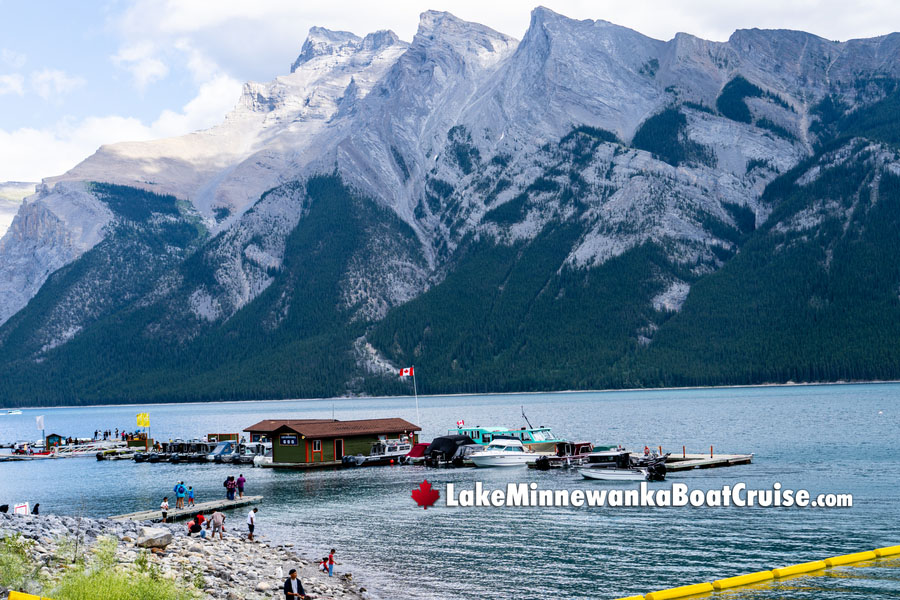
Banff Lake Minnewanka Boat Cruise in July

A Lake Minnewanka Boat Cruise in July is one of Banff National Park's classic summer experiences. Combining spectacular mountain scenery, fascinating history, abundant wildlife, and the peaceful atmosphere of the Rockies, it offers visitors an unforgettable opportunity to experience the beauty of Banff from a unique perspective on the water.

Lake Minnewanka Boat Cruise in July

Banff Lake Minnewanka Boat Cruise in July

July is one of the most popular months to experience the Lake Minnewanka Boat Cruise. Surrounded by towering mountain peaks, dense evergreen forests, and the crystal-clear waters of Banff National Park's largest lake, the cruise offers a relaxing and scenic way to explore one of the park's most beautiful landscapes. Warm summer weather and long daylight hours make July an ideal time to enjoy the lake from the water.

The journey begins at the Lake Minnewanka marina, where modern sightseeing boats depart throughout the day. As the boat leaves the shoreline, visitors are treated to panoramic views of the lake stretching deep into the mountains. The surrounding scenery changes continuously, revealing rugged cliffs, forested slopes, secluded bays, and impressive mountain ranges that can only be fully appreciated from the water.

Throughout the cruise, knowledgeable guides share fascinating stories about the history of Lake Minnewanka. Visitors learn about the Indigenous significance of the area, the submerged townsite that now lies beneath the lake, local wildlife, and the engineering projects that created the modern reservoir. These stories add depth to the spectacular scenery and make the experience both educational and entertaining.

July's calm mornings often provide beautifully reflective water, while the bright summer sun enhances the lake's deep blue colour. Snow may still linger on the highest surrounding peaks, creating a striking contrast with the lush green forests that blanket the lower slopes. The fresh mountain air and expansive views make every moment on the lake memorable.

Wildlife sightings are an added highlight during July. Bighorn sheep, mule deer, elk, and mountain goats are occasionally spotted along the shoreline, while bald eagles, ospreys, and other birds soar overhead or perch in the surrounding trees. Although wildlife sightings are never guaranteed, the quiet approach of the boat offers unique opportunities to observe animals in their natural habitat.

Photography opportunities are outstanding throughout the cruise. Every direction offers a different perspective of the surrounding mountains, rocky shorelines, and sparkling water. Whether capturing wide landscape photographs or close-up views of wildlife and dramatic cliffs, visitors will find countless memorable scenes throughout the journey.

Lake Minnewanka is one of Banff National Park's busiest destinations during July, and boat cruises are in high demand throughout the summer. Reserving a departure in advance is recommended, especially for mid-morning and afternoon sailings. Early departures often provide calmer water, softer light, and a quieter experience.

Many visitors combine the boat cruise with other activities around the lake, including lakeshore walks, picnics, cycling, canoe or kayak rentals, and nearby hiking trails. The area offers several scenic viewpoints that complement the experience on the water and make Lake Minnewanka an enjoyable destination for a full day of exploration.

A Lake Minnewanka Boat Cruise in July is one of Banff National Park's classic summer experiences. Combining spectacular mountain scenery, fascinating history, abundant wildlife, and the peaceful atmosphere of the Rockies, it offers visitors an unforgettable opportunity to experience the beauty of Banff from a unique perspective on the water. Banff Lake Minnewanka Boat Cruise

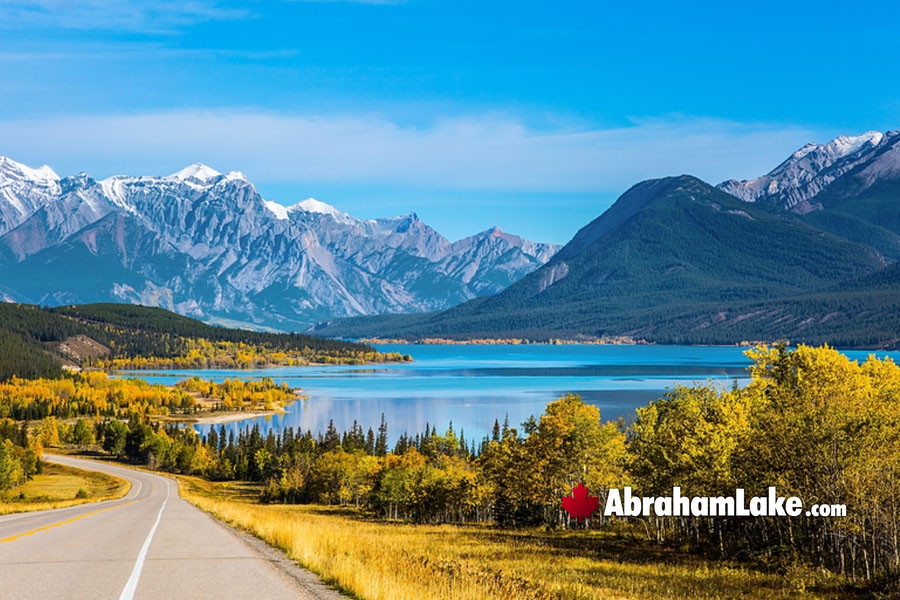
July at Abraham Lake

A visit to Abraham Lake in July offers a completely different experience from its famous winter season. Instead of frozen ice and methane bubbles, visitors are rewarded with brilliant turquoise water, spectacular mountain scenery, abundant outdoor recreation, and peaceful lakeside landscapes that showcase the Canadian Rockies at their summer best.

July at Abraham Lake

July at Abraham Lake

July transforms Abraham Lake into one of the Canadian Rockies' most striking summer destinations. The lake's brilliant turquoise water, created by fine glacial silt carried from the North Saskatchewan River, contrasts beautifully with the rugged mountain peaks, rocky shorelines, and evergreen forests that surround it. Warm temperatures and long daylight hours make July an excellent time to explore the area's spectacular scenery.

Unlike the famous frozen bubbles that attract visitors in winter, July showcases Abraham Lake as a vibrant alpine reservoir filled with crystal-clear blue-green water. The surrounding mountains remain snow-capped at higher elevations, while lower slopes are covered in lush green forests and colourful wildflowers. The combination of dramatic landscapes and open water creates endless opportunities for sightseeing and photography.

The lake stretches for more than 30 kilometres along the David Thompson Highway, with numerous roadside viewpoints offering breathtaking panoramas. Visitors can stop at scenic pullouts to admire the ever-changing colours of the water, explore rocky beaches, or simply enjoy the peaceful mountain setting. The constantly shifting light throughout the day gives the lake a different appearance from morning to evening.

July is an excellent time for outdoor recreation around Abraham Lake. Visitors enjoy kayaking, canoeing, paddleboarding, fishing, hiking, camping, and picnicking along the shoreline. The calm conditions often found in the morning are ideal for paddling, while afternoons can become breezier as mountain winds develop across the open water.

Photographers are especially drawn to Abraham Lake during July. Sunrise and sunset cast warm golden light across the mountains, while midday sunlight highlights the lake's vivid turquoise colour. Reflections of the surrounding peaks can often be seen on calm mornings, creating spectacular landscape photographs from many of the shoreline viewpoints.

The area is rich in wildlife, and visitors may encounter bighorn sheep, elk, mule deer, mountain goats, black bears, and a variety of bird species throughout the surrounding valleys and forests. Wildlife is most active during the cooler hours of early morning and evening, so visitors should always observe animals from a safe distance and never approach or feed them.

Weather in July is generally warm during the day, but mountain conditions can change quickly. Sunny skies may give way to passing showers or strong winds, particularly during the afternoon. Bringing layers, sun protection, drinking water, and appropriate footwear helps ensure a comfortable visit.

Many travellers include Abraham Lake as part of a scenic drive between Banff, Jasper, and the David Thompson Highway. The lake pairs beautifully with nearby attractions such as Crescent Falls, Siffleur Falls, and the eastern approaches to the Columbia Icefield, making it an outstanding destination for a full day of exploring the eastern slopes of the Canadian Rockies.

A visit to Abraham Lake in July offers a completely different experience from its famous winter season. Instead of frozen ice and methane bubbles, visitors are rewarded with brilliant turquoise water, spectacular mountain scenery, abundant outdoor recreation, and peaceful lakeside landscapes that showcase the Canadian Rockies at their summer best. Abraham Lake

Banff Bow Lake in July

Whether you're stopping for a few minutes or spending several hours exploring the trails and lakeshore, Bow Lake in July captures everything that makes the Canadian Rockies so memorable. With its glacier-fed waters, magnificent mountain scenery, abundant wildlife, and easy accessibility, it remains one of the true highlights of Banff National Park and the Icefields Parkway.

Banff Bow Lake in July

Banff Bow Lake in July

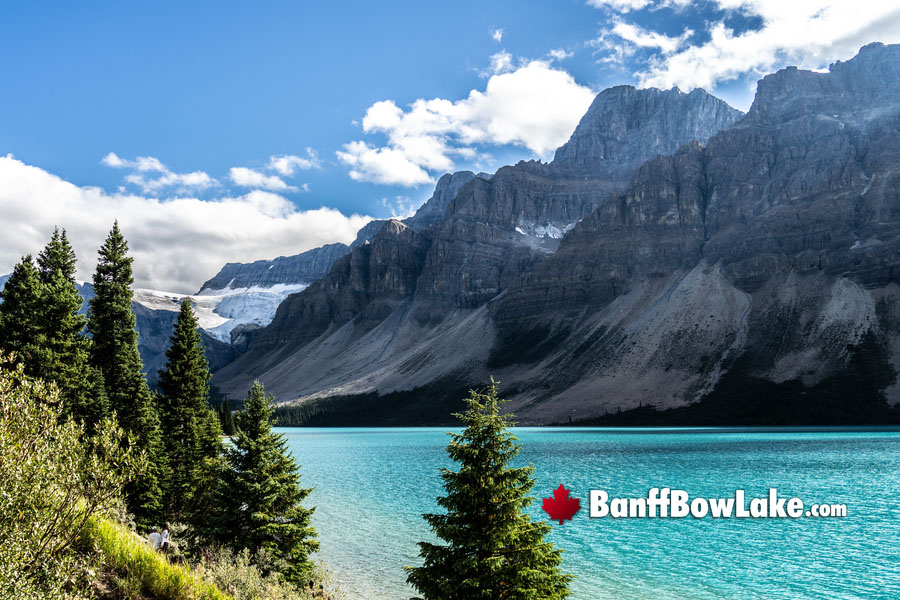
July is one of the most beautiful times to visit Bow Lake. Nestled along the Icefields Parkway in Banff National Park, the lake comes alive with brilliant turquoise water, lush alpine scenery, and towering mountain peaks that still hold patches of snow. Warm summer weather and long daylight hours make it an ideal destination for sightseeing, photography, hiking, and simply enjoying the peaceful surroundings.

Fed by the Bow Glacier high above the lake, Bow Lake is famous for its striking blue-green colour. The fine glacial silt suspended in the water reflects sunlight to create the vivid turquoise hues that make the lake one of the most photographed locations in the Canadian Rockies. On calm July mornings, the surrounding mountains are often perfectly reflected on the lake's smooth surface.

The shoreline is easily accessible, allowing visitors to enjoy spectacular views without a long hike. Gentle walking paths lead along the water's edge, where rocky beaches provide excellent places to relax, enjoy a picnic, or take in the scenery. The peaceful atmosphere makes Bow Lake an ideal stop for visitors looking to experience the natural beauty of the Icefields Parkway.

July also marks the beginning of the prime hiking season around Bow Lake. Trails ranging from easy shoreline walks to more challenging alpine routes lead through forests, wildflower meadows, and glacier-fed valleys. Popular hikes reveal impressive waterfalls, panoramic viewpoints, and close-up views of the Bow Glacier, offering unforgettable experiences for outdoor enthusiasts.

The surrounding landscape is especially vibrant during July. Wildflowers bloom across alpine meadows, evergreen forests cover the lower slopes, and snow-capped peaks frame the lake from every direction. The dramatic setting changes throughout the day as sunlight moves across the mountains, creating constantly evolving colours and shadows.

Wildlife is commonly seen in the Bow Lake area during the summer months. Visitors may spot mountain goats on nearby cliffs, bighorn sheep grazing on rocky slopes, marmots and pikas among the boulders, and occasionally elk or bears travelling through the surrounding forests. Birdlife is also abundant, making the area enjoyable for wildlife watchers and photographers alike.

Photography opportunities are exceptional throughout July. Early mornings often provide the calmest water and the best reflections, while the soft light at sunrise and sunset adds warmth to the surrounding peaks. The combination of turquoise water, rugged mountains, glacier views, and colourful wildflowers creates spectacular images from almost every viewpoint.

Although July is one of the busiest months along the Icefields Parkway, Bow Lake retains a peaceful atmosphere, especially during the early morning and later in the evening. Arriving outside the busiest hours often provides easier parking and a quieter experience along the shoreline.

Whether you're stopping for a few minutes or spending several hours exploring the trails and lakeshore, Bow Lake in July captures everything that makes the Canadian Rockies so memorable. With its glacier-fed waters, magnificent mountain scenery, abundant wildlife, and easy accessibility, it remains one of the true highlights of Banff National Park and the Icefields Parkway. Banff Bow Lake

Jasper Wildlife During July

Wildlife viewing in Jasper during July offers a remarkable opportunity to experience the Canadian Rockies in their most vibrant season. Whether watching elk graze in mountain meadows, spotting bears foraging on distant hillsides, or seeing eagles soar above glacier-fed valleys, every encounter adds to the unforgettable experience of exploring one of Canada's greatest national parks.

Jasper Wildlife During July

Jasper Wildlife During July

July is one of the best months for wildlife viewing in Jasper National Park. Warm summer temperatures, abundant vegetation, and long daylight hours keep many animals active throughout the park. From alpine meadows and mountain slopes to forests, rivers, and lakeshores, wildlife can be found in nearly every type of landscape, making every drive or hike an opportunity for an unforgettable encounter.

Elk are among the most commonly seen animals during July. They are often found grazing in open meadows, along roadsides, near rivers, and even around the outskirts of Jasper townsite. Bulls are growing their antlers during the summer, which are covered in soft velvet as they prepare for the autumn rut.

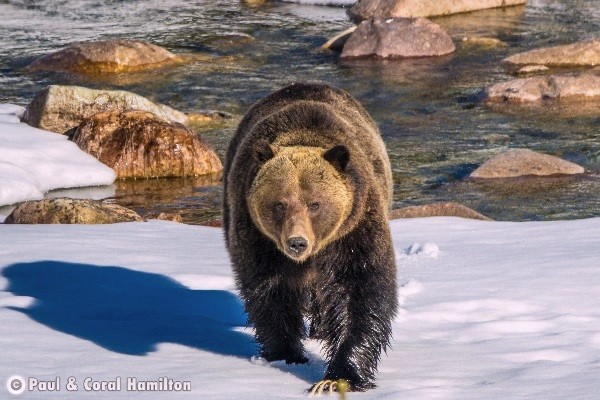
Black bears and grizzly bears are also active throughout July. Both species spend much of the summer feeding on fresh vegetation, berries, grasses, roots, and insects as they build energy reserves for the months ahead. Bears may occasionally be seen feeding in roadside meadows, avalanche slopes, or open valleys, particularly during the early morning and evening.

Bighorn sheep are frequently spotted on rocky cliffs, grassy hillsides, and along sections of the Icefields Parkway. Their remarkable climbing ability allows them to move confidently across steep mountain terrain. Mountain goats are often seen at higher elevations, standing on seemingly impossible cliff faces where they graze on alpine vegetation.

Mule deer and white-tailed deer are common throughout the park during July. They are often observed feeding in forest clearings, along quiet roads, and near campgrounds during the cooler hours of the day. Moose may also be encountered in wetland areas, marshes, and near lakes where they feed on aquatic plants, although they are generally less common than elk.

Smaller wildlife adds to the summer experience. Hoary marmots whistle from rocky slopes, pikas gather vegetation among boulder fields, Columbian ground squirrels are active in open meadows, and snowshoe hares remain hidden in dense vegetation. These smaller mammals are an important part of Jasper's mountain ecosystem and are frequently seen on hiking trails.

Birdwatchers can enjoy a wide variety of species during July. Bald eagles and golden eagles soar above mountain valleys, while ospreys hunt over lakes and rivers. Ravens, Clark's nutcrackers, Canada jays, woodpeckers, loons, ducks, and numerous songbirds are active throughout the park's forests and waterways.

Some of the best wildlife viewing areas include the Icefields Parkway, Maligne Lake Road, Medicine Lake, Pyramid Lake, Patricia Lake, Athabasca Valley, Edith Cavell Road, and the meadows surrounding Jasper townsite. Early morning and the final hours before sunset are generally the most productive times, when temperatures are cooler and animals are more active.

Visitors should always observe wildlife from a safe distance and never approach or feed animals. Carrying bear spray while hiking, making noise on trails, travelling in groups when possible, and following all wildlife advisories help ensure both visitor safety and the protection of Jasper's wildlife.

Wildlife viewing in Jasper during July offers a remarkable opportunity to experience the Canadian Rockies in their most vibrant season. Whether watching elk graze in mountain meadows, spotting bears foraging on distant hillsides, or seeing eagles soar above glacier-fed valleys, every encounter adds to the unforgettable experience of exploring one of Canada's greatest national parks. Canadian Rockies Wildlife Wildlife On Video

Jasper Icefields Parkway During July

Driving the Icefields Parkway in July is far more than a scenic road trip—it's an unforgettable journey through the heart of the Canadian Rockies. From glaciers and waterfalls to turquoise lakes, alpine meadows, and remarkable wildlife, every kilometre reveals another breathtaking landscape, making it one of the premier summer experiences in Jasper and Banff National Parks.

Jasper Icefields Parkway During July

Jasper Icefields Parkway During July

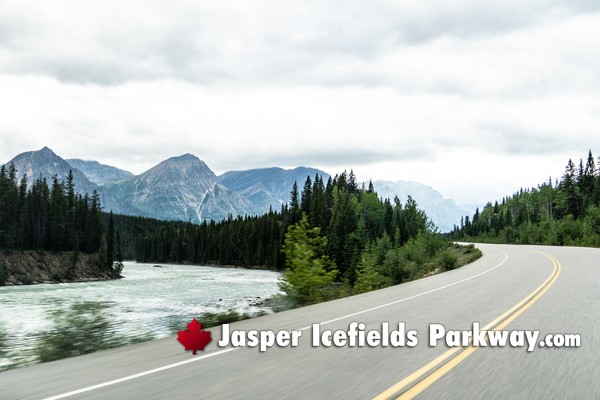
July is one of the most spectacular times to drive the Icefields Parkway between Jasper and Lake Louise. Often considered one of the world's greatest scenic highways, the route showcases the Canadian Rockies at their summer peak, with turquoise lakes, towering mountain ranges, ancient glaciers, rushing waterfalls, and abundant wildlife around nearly every bend. Long daylight hours allow visitors to explore the many viewpoints and attractions without feeling rushed.

The parkway offers constantly changing scenery throughout the journey. Glacier-fed rivers wind through broad valleys, dramatic peaks rise thousands of metres above the road, and evergreen forests blanket the lower slopes. Many mountain summits remain snow-covered even in July, creating a striking contrast against the lush green forests and brilliant blue summer skies.

July is an excellent month to visit the Columbia Icefield, one of the largest accumulations of ice in the Canadian Rockies. Visitors can explore the Columbia Icefield Centre, venture onto the Athabasca Glacier aboard specialized Ice Explorer vehicles, or experience the Glacier Skywalk overlooking the spectacular Sunwapta Valley. These attractions are among the highlights of any drive along the parkway.

The Icefields Parkway is also home to many of the region's most famous waterfalls. Athabasca Falls and Sunwapta Falls are particularly impressive during July, when glacier-fed rivers carry abundant summer meltwater through narrow canyons. The powerful flow, mist-filled viewpoints, and dramatic rock formations make both stops unforgettable.

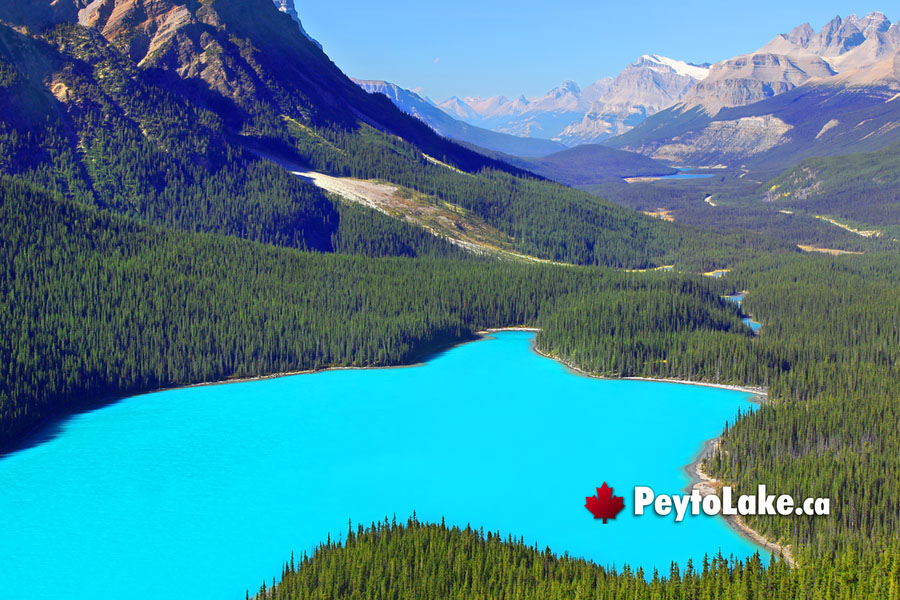
Several iconic lakes are easily reached from the highway during July. Bow Lake glows with brilliant turquoise water beneath Bow Glacier, while Peyto Lake offers one of the most famous viewpoints in the Canadian Rockies. Numerous smaller lakes, rivers, and mountain streams provide additional opportunities to stop and enjoy the scenery throughout the drive.

Wildlife viewing is one of the great highlights of the Icefields Parkway during July. Elk, black bears, grizzly bears, bighorn sheep, mountain goats, mule deer, and occasionally moose are regularly seen along the route. Bald eagles, ospreys, and other birds of prey are often spotted soaring above the valleys. Early morning and late evening typically provide the best opportunities for wildlife sightings.

July is also one of the busiest months of the year, so allowing a full day for the journey is highly recommended. Although the driving distance may appear manageable, the numerous scenic viewpoints, hiking trails, waterfalls, lakes, and wildlife viewing opportunities encourage frequent stops. Many visitors find themselves spending far more time exploring than originally planned.

The weather is generally pleasant during July, but mountain conditions can change rapidly. Bright sunshine may give way to cool temperatures, rain showers, or brief afternoon thunderstorms, especially at higher elevations. Dressing in layers and carrying water, snacks, sunscreen, and rain gear helps ensure a comfortable day of exploring.

Photography opportunities are exceptional throughout the parkway. Sunrise and sunset produce beautiful golden light across the mountain peaks, while midday sunshine enhances the vivid turquoise colours of the glacier-fed lakes. Every section of the drive offers new perspectives, making it one of the most rewarding destinations for landscape photography in North America.

Driving the Icefields Parkway in July is far more than a scenic road trip—it's an unforgettable journey through the heart of the Canadian Rockies. From glaciers and waterfalls to turquoise lakes, alpine meadows, and remarkable wildlife, every kilometre reveals another breathtaking landscape, making it one of the premier summer experiences in Jasper and Banff National Parks. Jasper Icefields Parkway

Johnston Canyon During July

A visit to Johnston Canyon in July combines beautiful waterfalls, dramatic canyon scenery, cool forest trails, and one of Banff National Park's most memorable hiking experiences. Whether you're exploring only the Lower Falls or continuing all the way to the Ink Pots, the canyon offers an unforgettable journey through one of the Rockies' most impressive natural landscapes.

Johnston Canyon During July

Johnston Canyon During July

July is one of the best times of year to visit Johnston Canyon. Located in Banff National Park, this popular canyon offers rushing waterfalls, cool forest trails, and dramatic limestone cliffs, making it a refreshing escape during the height of summer. Long daylight hours and warm temperatures allow visitors to fully enjoy the trail while experiencing one of the Canadian Rockies' most iconic natural attractions.

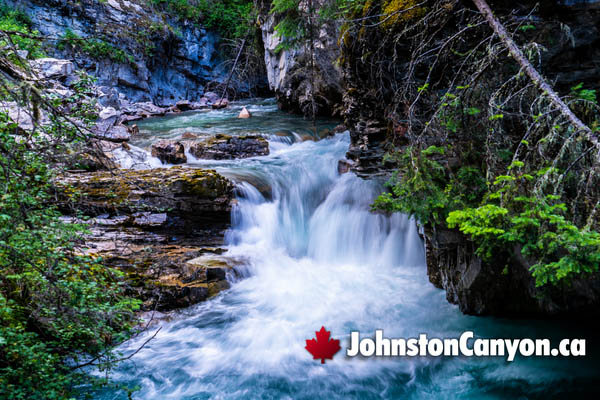
The adventure begins on a well-maintained pathway that follows Johnston Creek through a deep canyon carved over thousands of years by fast-moving water. Elevated catwalks attached to the canyon walls provide unique views of the turquoise creek below, allowing visitors to walk directly above the rushing water as it winds through narrow rock passages.

The Lower Falls are the first major highlight along the trail. Here, visitors can watch the powerful waterfall plunge into a deep pool surrounded by smooth limestone walls. A short tunnel leads to a viewing platform near the base of the falls, where the roar of the water and cool mist create an unforgettable experience, especially on warm July afternoons.

Continuing farther up the canyon leads to the Upper Falls, where Johnston Creek drops dramatically through a narrow rock chute before cascading into the gorge below. Several viewing platforms offer different perspectives of the waterfall, allowing visitors to appreciate both its height and the immense force of the flowing water during the summer melt season.

July's warm weather makes the canyon especially inviting. The surrounding forest is lush and green, wildflowers bloom along sections of the trail, and the cool air rising from the creek provides a welcome break from the summer heat. The contrast between the shaded canyon, bright turquoise water, and towering rock walls creates beautiful scenery throughout the hike.

The trail is suitable for a wide range of visitors. Its gradual elevation gain and well-developed pathways make it popular with families, casual walkers, and experienced hikers alike. Those looking for a longer adventure can continue beyond the Upper Falls to the Ink Pots, where colourful mineral springs bubble up in open mountain meadows surrounded by spectacular alpine scenery.

Wildlife is occasionally seen around Johnston Canyon during July. Birds, squirrels, chipmunks, and other small mammals are common, while larger animals such as elk, deer, black bears, and grizzly bears may occasionally be found in the surrounding forests. Visitors should always remain alert, follow wildlife safety guidelines, and never feed or approach animals.

July is one of the busiest months at Johnston Canyon, particularly between late morning and mid-afternoon. Visiting early in the morning or later in the evening often provides a quieter experience, easier parking, and better opportunities to enjoy the peaceful sounds of the canyon. The softer light during these times is also ideal for photography.

A visit to Johnston Canyon in July combines beautiful waterfalls, dramatic canyon scenery, cool forest trails, and one of Banff National Park's most memorable hiking experiences. Whether you're exploring only the Lower Falls or continuing all the way to the Ink Pots, the canyon offers an unforgettable journey through one of the Rockies' most impressive natural landscapes. Johnston Canyon

Lake Louise in July

A visit to Lake Louise in July showcases the Canadian Rockies at their finest. The vivid turquoise lake, glacier-covered mountains, alpine hiking trails, unforgettable canoeing, abundant wildlife, and world-class scenery combine to create an experience that leaves a lasting impression on visitors from around the world.

Lake Louise in July

Lake Louise in July

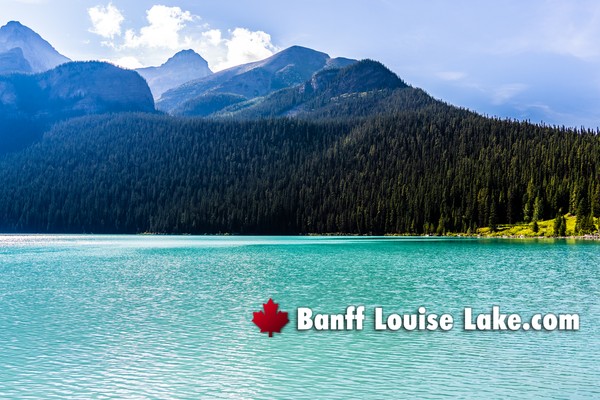
July is one of the most spectacular times to visit Lake Louise. By mid-summer, the lake has fully transformed into its famous brilliant turquoise colour as glacial meltwater flows down from Victoria Glacier. Surrounded by towering mountain peaks, alpine forests, and dramatic cliffs, Lake Louise offers one of the most iconic landscapes in the Canadian Rockies.

The lakeshore is a destination in itself, with wide walking paths that allow visitors to enjoy breathtaking views from every angle. The calm morning water often reflects the surrounding mountains and Victoria Glacier, creating unforgettable scenery for photographers and early risers. As the day progresses, the vibrant turquoise water glows under the summer sun, making the lake one of the most photographed places in Canada.

July is an excellent month for hiking, with many of the area's most popular trails fully open. Routes leading to Lake Agnes, the historic Lake Agnes Tea House, the Plain of Six Glaciers, Big Beehive, Little Beehive, and Fairview Lookout reward hikers with panoramic mountain views, alpine lakes, waterfalls, and colourful wildflower meadows. Whether you're looking for a short walk or a full-day adventure, there are trails suited to a wide range of abilities.

Canoeing is one of the signature experiences at Lake Louise during July. Paddling across the calm, glacier-fed water offers a unique perspective of Victoria Glacier and the surrounding peaks. From the middle of the lake, visitors can fully appreciate the scale of the valley and enjoy views that cannot be experienced from the shoreline.

Wildflowers begin to bloom throughout the surrounding alpine meadows during July, adding vibrant colour to the mountain landscape. Combined with snow lingering on the highest peaks, lush evergreen forests, and crystal-clear water, the scenery reaches one of its most beautiful points of the year.

Wildlife is also active throughout the Lake Louise area during the summer. Visitors may encounter elk, deer, marmots, pikas, Clark's nutcrackers, Canada jays, and occasionally black bears or grizzly bears along nearby trails. Wildlife should always be viewed from a safe distance, and hikers should remain aware of their surroundings while exploring the backcountry.

July is one of the busiest months at Lake Louise, with visitors arriving from around the world. Early mornings offer the quietest atmosphere, calmer water for reflections, and cooler temperatures for hiking. As the day progresses, the lakeshore becomes increasingly lively with hikers, canoeists, photographers, and sightseers enjoying the remarkable scenery.

Beyond the shoreline, July provides access to many nearby attractions, including Moraine Lake, the Bow Valley Parkway, Takakkaw Falls in nearby Yoho National Park, and the spectacular Icefields Parkway. Lake Louise serves as an excellent base for exploring some of the Canadian Rockies' most celebrated destinations.

A visit to Lake Louise in July showcases the Canadian Rockies at their finest. The vivid turquoise lake, glacier-covered mountains, alpine hiking trails, unforgettable canoeing, abundant wildlife, and world-class scenery combine to create an experience that leaves a lasting impression on visitors from around the world. Banff Lake Louise

Moraine Lake in July

A visit to Moraine Lake in July showcases the Canadian Rockies at their absolute best. From the brilliant turquoise water and towering Valley of the Ten Peaks to the exceptional hiking, canoeing, wildflowers, and breathtaking viewpoints, every moment spent at Moraine Lake becomes a memorable highlight of a summer adventure in Banff National Park.

Moraine Lake in July

Moraine Lake in July

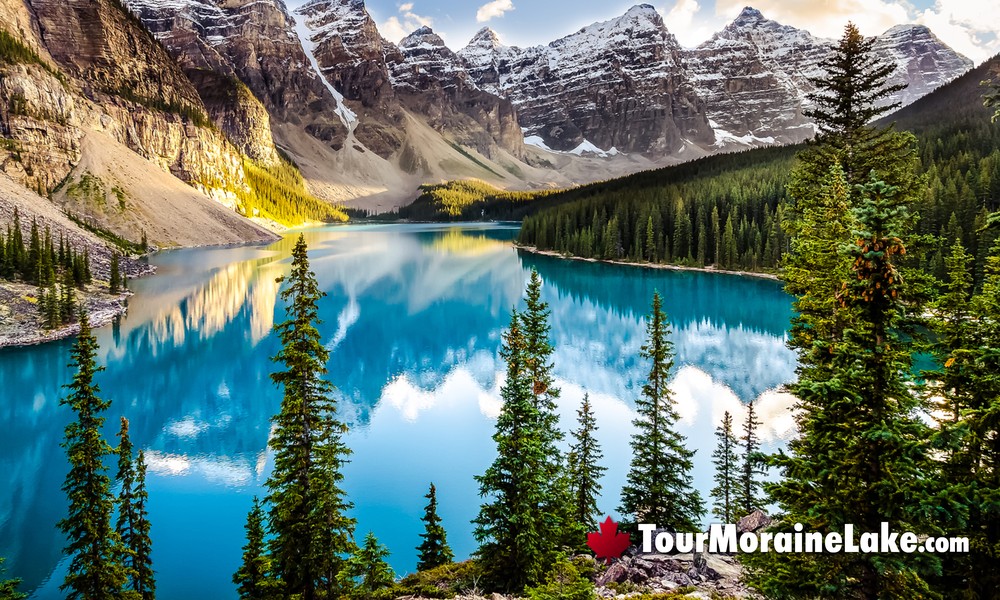
July is one of the most breathtaking times to visit Moraine Lake. Nestled in the Valley of the Ten Peaks, the lake reaches its famous vibrant turquoise colour as glacial meltwater pours into the basin throughout the summer. Towering mountain peaks, dense evergreen forests, and crystal-clear water create one of the most iconic landscapes in the Canadian Rockies.

By July, the lake is typically free of ice, and the surrounding scenery is at its most vibrant. The combination of turquoise water, lingering snow on the highest peaks, lush alpine forests, and colourful wildflowers makes Moraine Lake one of the most photographed destinations in Banff National Park.

The Rockpile Trail is the most popular viewpoint and offers the classic panoramic view of Moraine Lake and the Valley of the Ten Peaks. The short climb rewards visitors with spectacular vistas overlooking the entire lake, where the brilliant blue-green water contrasts beautifully against the rugged mountain backdrop. Early morning often provides calm water and beautiful reflections, while the warm light later in the day enhances the lake's vivid colours.

July is also one of the best months for hiking around Moraine Lake. Trails such as Consolation Lakes, Larch Valley, Sentinel Pass, and Eiffel Lake are generally accessible and lead through alpine forests, flower-filled meadows, glacial valleys, and dramatic mountain landscapes. Hikers are rewarded with sweeping views of glaciers, rugged peaks, and pristine wilderness.

Canoeing is one of the signature experiences at Moraine Lake during July. Paddling across the glacier-fed water offers a peaceful perspective of the surrounding mountains and allows visitors to fully appreciate the immense scale of the valley. The lake's calm morning conditions often make for an especially memorable experience.

Wildflowers begin to bloom throughout the surrounding alpine areas during July, adding vibrant splashes of colour to the landscape. The combination of blooming meadows, turquoise water, evergreen forests, and snow-dusted peaks creates one of the most beautiful natural settings in the Canadian Rockies.

Wildlife is active throughout the Moraine Lake area during the summer months. Visitors may encounter marmots, pikas, Clark's nutcrackers, Canada jays, and occasionally black bears, grizzly bears, elk, or deer along nearby hiking trails. Because of regular bear activity, some trails may have seasonal group travel requirements to help protect both visitors and wildlife.

July is one of the busiest months of the year, and Moraine Lake welcomes visitors from around the world. Access is carefully managed during the summer season, so planning transportation well in advance is essential. Early morning and evening visits often provide the most peaceful atmosphere, beautiful lighting, and excellent photography conditions.

Many visitors combine Moraine Lake with nearby destinations such as Lake Louise, the Icefields Parkway, Yoho National Park, and Banff. Together, these world-famous locations create an unforgettable Canadian Rockies itinerary filled with glaciers, waterfalls, alpine lakes, and spectacular mountain scenery.

A visit to Moraine Lake in July showcases the Canadian Rockies at their absolute best. From the brilliant turquoise water and towering Valley of the Ten Peaks to the exceptional hiking, canoeing, wildflowers, and breathtaking viewpoints, every moment spent at Moraine Lake becomes a memorable highlight of a summer adventure in Banff National Park. Moraine Lake

July at Peyto Lake

A visit to Peyto Lake in July showcases the Canadian Rockies at their summer best. The vivid turquoise lake, towering mountain scenery, glacier-fed landscapes, abundant wildlife, and unforgettable viewpoints combine to create one of Banff National Park's most memorable experiences and a highlight of any journey along the Icefields Parkway.

July at Peyto Lake

July at Peyto Lake

July is one of the finest times to visit Peyto Lake. Located along the world-famous Icefields Parkway in Banff National Park, the lake is renowned for its brilliant turquoise colour, breathtaking mountain scenery, and spectacular panoramic viewpoints. During mid-summer, glacier-fed meltwater gives the lake its vivid blue-green appearance, creating one of the most iconic landscapes in the Canadian Rockies.

By July, the surrounding mountains are alive with lush evergreen forests, alpine meadows, and patches of lingering snow on the highest peaks. The contrast between the vibrant turquoise water, rugged grey mountains, and deep green valleys creates a stunning natural setting that attracts photographers and nature lovers from around the world.

The main viewpoint is reached by a short, well-maintained walk from the parking area, making Peyto Lake one of the most accessible scenic destinations along the Icefields Parkway. From the overlook, visitors are treated to sweeping views of the lake's distinctive shape, surrounding mountain ranges, and the vast wilderness stretching into the distance.

July offers ideal conditions for photography. Early mornings often provide crisp mountain air, softer light, and fewer visitors, while the bright midday sun intensifies the lake's famous turquoise colour. Late afternoon and evening bring warm golden light that beautifully illuminates the surrounding peaks and valleys.

The area surrounding Peyto Lake is also an excellent place to experience alpine nature. Wildflowers bloom along nearby trails and roadsides, while birds and small mammals such as marmots, pikas, and Columbian ground squirrels are commonly seen during the summer months. Larger wildlife, including black bears, grizzly bears, elk, mountain goats, and bighorn sheep, may occasionally be spotted along the Icefields Parkway leading to the lake.

July's long daylight hours allow visitors to combine Peyto Lake with many other nearby attractions. Bow Lake, Mistaya Canyon, the Columbia Icefield, Waterfowl Lakes, and numerous scenic pullouts are all within a comfortable drive, making the area ideal for a full day of exploration along one of the world's most scenic highways.

Although July is one of the busiest months of the year, Peyto Lake's viewpoint remains a must-see destination. Visiting early in the morning or later in the afternoon often provides a quieter experience, easier parking, and outstanding lighting for photography.

The weather in July is generally pleasant, but mountain conditions can change quickly. Cool mornings, warm afternoons, occasional rain showers, and breezy conditions are all possible, so dressing in layers and carrying light rain protection is recommended.

A visit to Peyto Lake in July showcases the Canadian Rockies at their summer best. The vivid turquoise lake, towering mountain scenery, glacier-fed landscapes, abundant wildlife, and unforgettable viewpoints combine to create one of Banff National Park's most memorable experiences and a highlight of any journey along the Icefields Parkway. Peyto Lake

Jasper, Alberta Map

Jasper National Park

Contact Jasper in July.com

Click to Contact Us